
Welcome back.
How about that Flock Cameras webinar we did since our last edition? It was the most attended one to date. A lot of passion out there about that issue. If you’re not a paid subscriber, you missed a good webinar. We hope you’ll move your subscription to a paid version.
Several people have asked us if we supply recordings of our webinars. Typically we do not. We encourage everyone to join us live, but we also can share handouts from the webinar afterward.
This issue, we look at an Ohio Supreme Court case we’ve been meaning to get to, and it’s the mirror image of the Lawrence decision we covered last time. Same Court, same kind of inmate video request, opposite bill, and the difference was a records custodian who moved fast once the lawsuit hit. From there we don our Cheese Head hats and scoot over to Milwaukee, Wisconsin. That’s where – on a far more serious note – we’ll examine body camera footage of a fatal shooting that wounded an officer too, which flips part of our usual Ohio redaction analysis. And our reader question comes from a records clerk who received a request for every 9-1-1 call made from a specific phone number and is worried that running the search would reveal something that isn’t public. It’s a tough one.
Let’s get going.
Court Case Review
State ex rel. Cook v. Magee, 2026-Ohio-1106 (Supreme Court of Ohio)
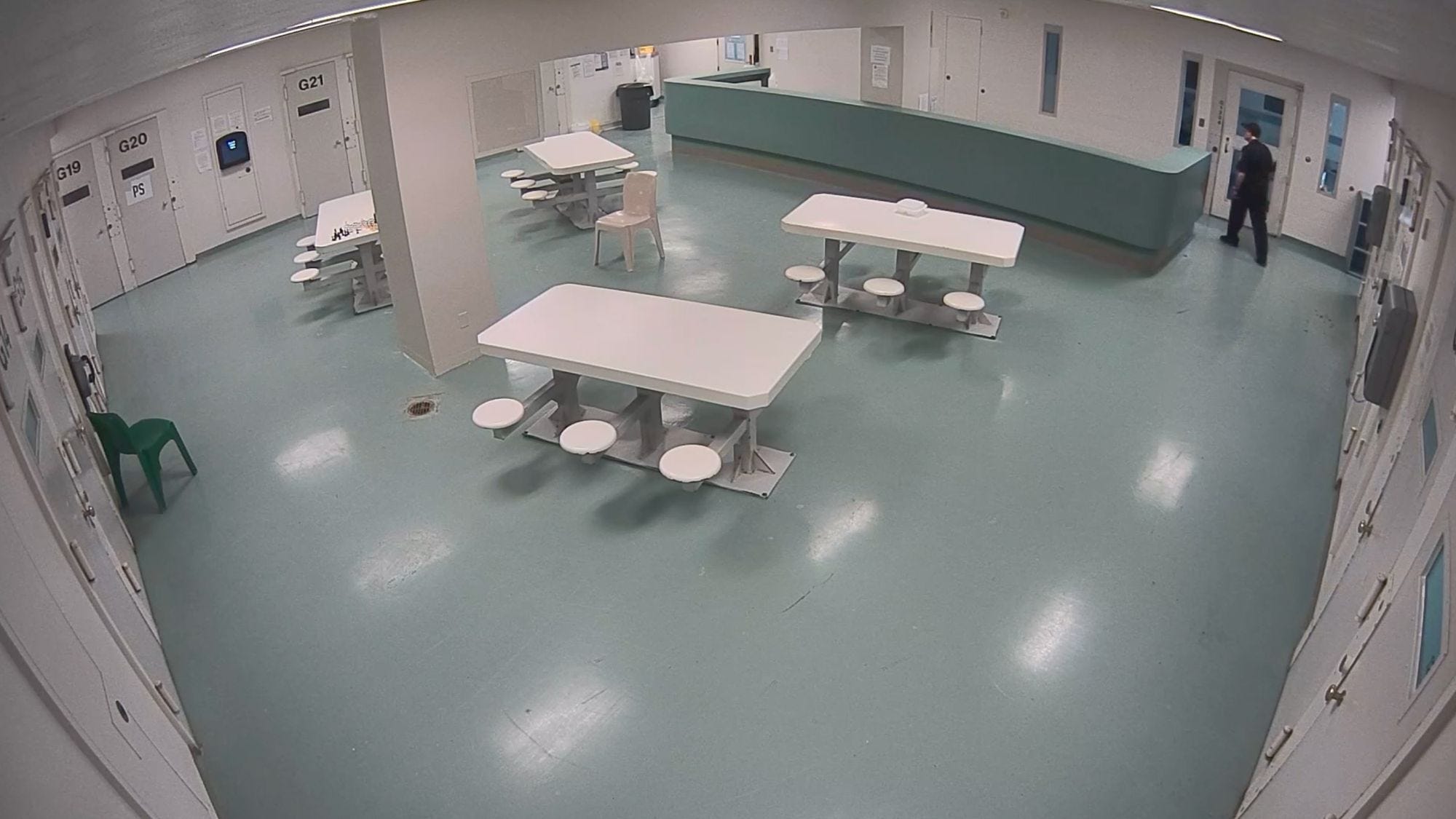
Joshua Cook is an inmate at Chillicothe Correctional Institution. In May 2024, he sent an electronic kite (message) asking the prison to preserve surveillance video of the mental health area. This may or may not be the actual footage. He then followed up the same evening with a public records request for that footage. The response he got back was the kind that makes lawyers wince: the employee said she’d preserved the video and sent it to the Attorney General’s office, and that the inmate was “not permitted to have security footage.”
Then nothing happened for seven months. In late December, Cook claimed the AG’s office didn’t have the video and promised a mandamus action. On Friday, January 3, the custodian told him he couldn’t have a DVD but could view the footage in person. Cook filed suit that same day. On Monday morning, the staffer repeated the offer and added another option: she’d mail a DVD to anyone outside the prison he designated, for the $5 cost of the disc plus certified mail postage. Cook eventually took that deal and paid, and the DVD went out (to a person outside prison acting for him) in February.
The Court denied everything. The writ was moot because the record had been provided. Under Slager, a prison doesn’t have to hand an inmate a DVD, because a disc in a cell is contraband. Offering in-person viewing or a copy mailed to an outside designee covers the duty, and the custodian did both. Cook’s last argument was that the disc his agent received “does not work.” Do any DVDs still work? But we digress.
The Court wasn’t moved: his own say-so wasn’t evidence of a corrupted file, and the burden sat with him. Per usual, Justice Brunner dissented alone; she’d have made the parties figure out whether the video was actually corrupted before ruling.
Now the part that you should remember. Cook also wanted statutory damages, and on these facts, we might expect him to get them. The initial response was a flat “you can’t have security footage,” which isn’t a legal basis for anything, and the request then sat for seven months. That’s usually a Bozo no-no.